


Ideas
Combatting Mobile Threats in a New Reality
Security starts with users understanding what types of attacks they will encounter and how to manage them.
Ideas
Leading the Intelligence Community After 2020’s Upheavals
Director of National Intelligence John Ratcliffe should consider new approaches to four vital functions that support the IC’s core missions.


Ideas
Cyber Hygiene is the Key to CMMC Compliance Preparedness
The challenge is that many contractors don’t have full visibility into their organization’s network and security.


Ideas
Ransomware Criminals Are Targeting U.S. Universities
The schools are attractive targets because of weak cybersecurity measures and medical research data.
Ideas
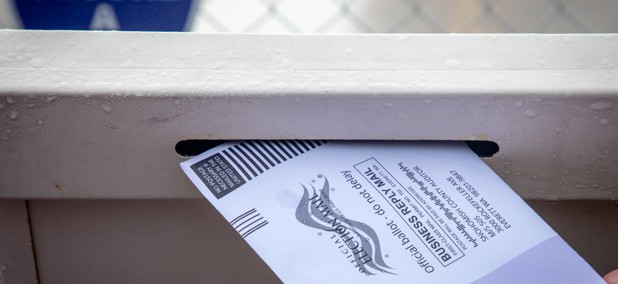
Research on Voting by Mail Says It's Safe – from Fraud and Disease
It can inspire public confidence in the voting process, if done properly.



Ideas
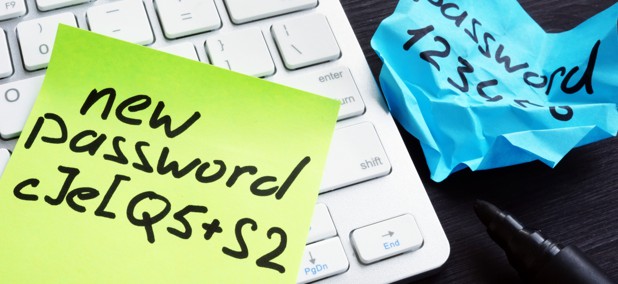
Preventing Cyberattacks in Government Supply Chains
Stolen credentials remain the No. 1 hacking tactic used by malicious actors to gain access to “secure” networks and wreak havoc within organizations—and potentially up the supply chain.


Ideas
The Electoral College Is Surprisingly Vulnerable to Popular Vote Changes
This system is built to virtually ensure narrow victories, making it very susceptible to efforts to change either voters’ minds or the records of their choices.

Ideas
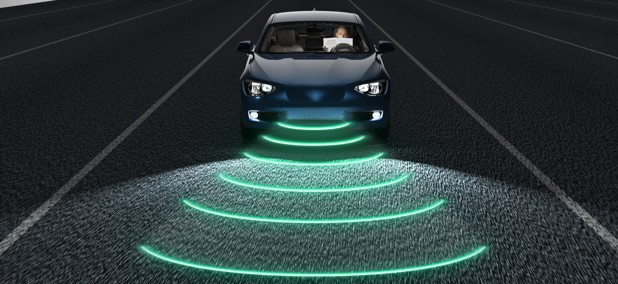
AI for Self-Driving Cars Doesn't Account for Crime
Most ethical discussions about self-driving cars focus on whether the vehicle should choose between protecting itself or doing the least damage to humans. What if users have more nefarious motives?


Ideas
Your Coping and Resilience Strategies Might Need to Shift as the COVID-19 Crisis Continues
As the coronavirus pandemic situation and stresses change, so do our recommendations for what coping strategies might be most helpful.
Ideas
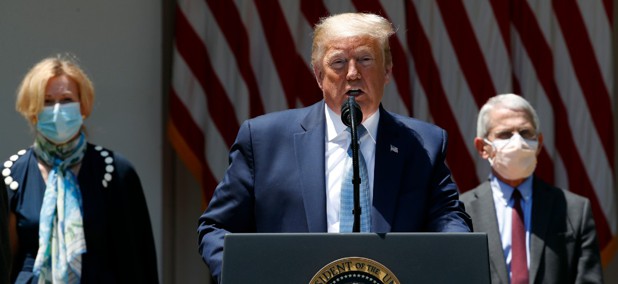
The Fed's Independence Helped It Save the US Economy in 2008 – the CDC Needs the Same Authority Today
There is a paradox inherent in the relationship between political leaders and technical experts in government.


Ideas
Why Government Needs to Move Quickly to Zero Trust
Most experts agree that the best path forward would be zero-trust networking, although the concept is defined differently depending on who you happen to ask.
Ideas
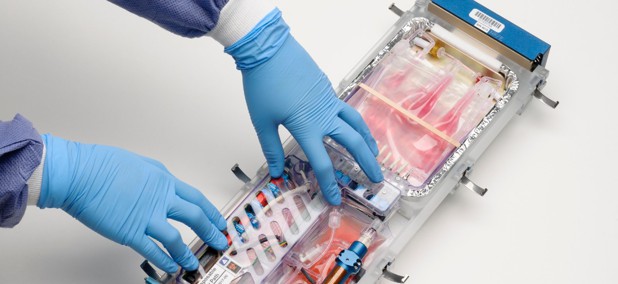
Why Are Scientists Trying to Manufacture Organs in Space?
These experiments help researchers optimize tissue growth for use in basic science, personalized medicine and organ transplantation.


Ideas
Does the COVID-19 Crisis Cap 25 Years of Government Blunders?
"What went wrong? The answer is: Almost everything went wrong, and almost everything that did go wrong had been foretold."
Ideas
Contact Tracing Starts with Clean Data
Regardless of how information is gathered, the scale is immense, as is the problem of data accuracy.

Ideas
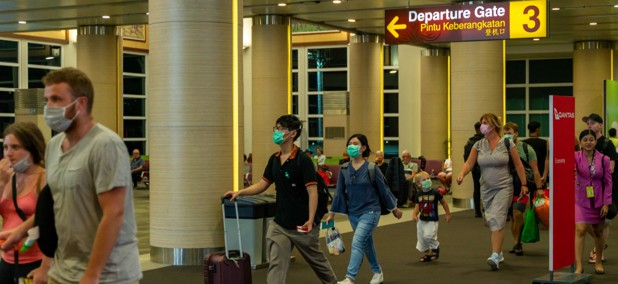
Airlines Got Travelers Comfortable about Flying Again Once Before – but 9/11 and a Virus Are a Lot Different
Today, fares are at rock bottom, but Americans’ fear of flying may be the highest it’s ever been.
Ideas
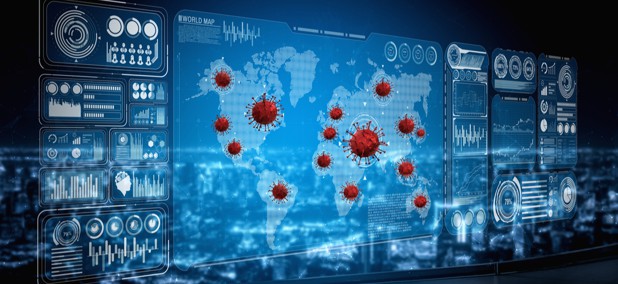
Adopting a Data-Driven Culture Enhances Digital Transformation on the Path to a Post-COVID World
Building a data-driven culture isn't easy, but it's important.
Ideas
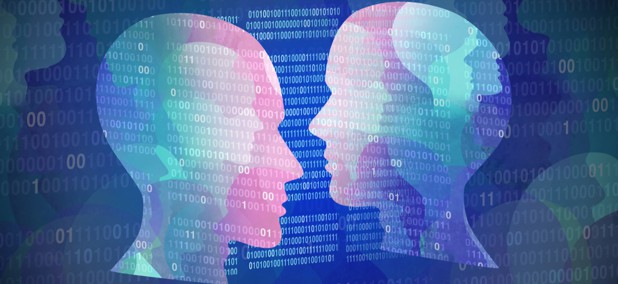
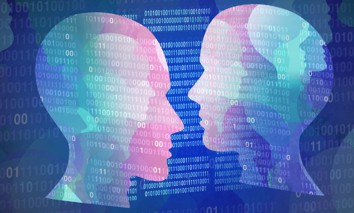
Filter Protects Against Deepfake Photos and Videos
Researchers have created an algorithm that generates an adversarial attack against facial manipulation systems in order to corrupt and render useless attempted deepfakes.
Ideas
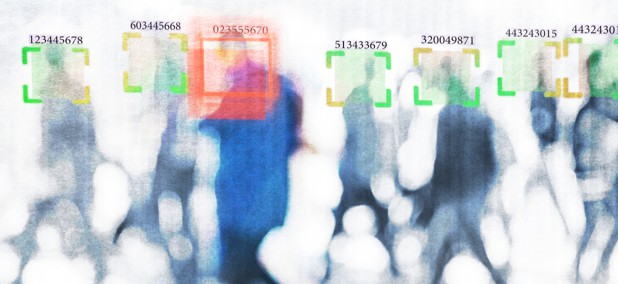
Facial Recognition Is Here But We Have No Laws
Without legal safeguards, this technology will undermine democratic values and fundamental rights.

Ideas